
Checking Madison County Criminal History
No single database contains every Madison County criminal record. Begin with the Clerk of Superior Court's Web Case Management link for filed cases. The research visit encountered a redirect loop, so the clerk's counter and phone remain essential fallbacks. Use a case number when possible. For a name search, keep the full legal name, date of birth, spelling variants, and an approximate case year ready. Confirm a result through identifiers and the disposition rather than assuming that a shared name is the same person.
Move between sources according to the question. A current booking inquiry belongs with Madison County Jail. A felony conviction across Georgia may appear in Georgia Felon Search. GDC covers state correctional custody, while federal records use separate systems. Follow this order:
- Search Madison County Web Case Management by case number or name, then note the court and status.
- Call the clerk at 706-795-6310 if the portal fails, a file is archived, or a certified disposition is needed.
- Ask Madison County Jail at 706-795-6211 about local booking or current custody, and identify the arresting agency for its incident report.
- Use Georgia Felon Search or GDC only for the statewide record type each service actually covers.
- Compare each charge and final outcome, then request correction or restriction through the source agency and GCIC when appropriate.
Madison County Court Records Counter
The ornate 1901 Madison County Courthouse is a landmark, but it is not the working records counter. County offices moved in 1997 to the Madison County Government Complex at 91 Albany Avenue in Danielsville, a former elementary school renovated after the old courthouse grew too crowded. The Superior Court clerk keeps felony case files there. The complex also houses Magistrate Court, which handles warrants, first appearances, bond matters, county ordinances, and specified misdemeanors.
The county's official courthouse history explains how the two buildings acquired their different roles.
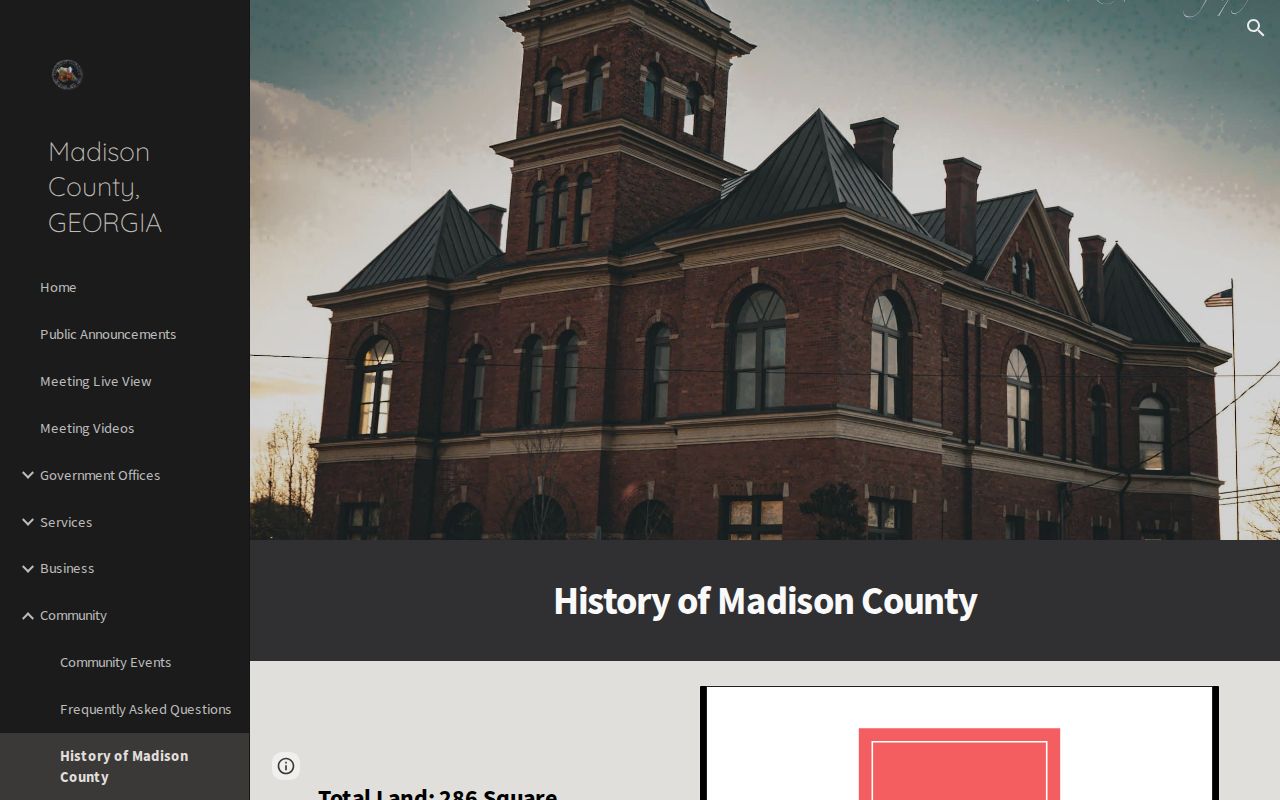
That history prevents a practical mistake: the historic courthouse may be the better-known sight, but the Government Complex is where a requester should ask the clerk for a current or archived judicial file.
Superior Court Clerk
91 Albany Ave., P.O. Box 247, Danielsville, GA 30633
706-795-6310
Felony dockets, filings, dispositions, certified copies, and sealing matters.
Magistrate Court
Suite 401, 91 Albany Ave., Danielsville, GA 30633
706-795-6375
Warrants, first appearances, bond, ordinances, and assigned misdemeanors.
Madison County Jail
1436 Highway 98 West, Danielsville, GA 30633
706-795-6211
Booking, current custody, holds, bond, and release questions.
Georgia Official Background Checks
The Georgia Bureau of Investigation's Georgia Crime Information Center is the state criminal-history repository. The public Georgia Felon Search product uses full name, race, sex, and date of birth to search Georgia felony-conviction information. The displayed transaction fee is $15. It is not a national report, a complete list of arrests, or a certified Madison County court file. A possible match still needs identity and court-outcome review.
The GBI criminal-history overview describes what GCIC collects and the difference between public access and personal record review.
The repository view helps explain why a local docket can be more detailed: GCIC compiles reported arrest cycles, identification, dispositions, and custodial events, while the clerk retains the pleadings and orders behind a Madison County case.
Madison County Fingerprint Check Route
For an individual reviewing their own Georgia record, GBI directs people to contact a sheriff or police department about local identification, fingerprint, fee, and pickup rules. GCIC's Decatur lobby offers record inspection and fingerprint service by appointment. A mailed challenge needs the required fingerprint cards from law enforcement, a copy of the identification shown, and details for the printing agency. A certified court disposition often supplies the proof needed to correct an incomplete arrest cycle.
GAPS, the Georgia Applicant Processing Service, is different. It serves authorized fingerprint workflows through IdentoGO/IDEMIA. The requesting program must provide the correct service code, ORI, and reason. Do not guess. The GAPS registration page begins with that service code and routes the person to an appointment.

Bring valid photo identification to the selected site. No fixed public GAPS location in Madison County was verified without an authorized code, so the live appointment locator is more reliable than an assumed local address.
| Official channel | Scope | Published amount |
|---|---|---|
| Georgia Felon Search | Public Georgia felony convictions | $15 per search |
| GAPS Georgia-only | Authorized fingerprint result | $39.99 on researched GCIC schedule |
| GAPS Georgia plus FBI | Authorized state and federal result | $51.99 on researched GCIC schedule |
| FBI Identity History Summary | A person's own FBI history | $18 FBI fee; collection fees may be separate |
| Madison clerk search | Filed local cases | Free search; local copy fees not located |
Madison County Criminal Record Types
A criminal event produces several records rather than one master file. The arresting agency writes an incident or arrest report. The jail creates an intake and custody record. Magistrate Court may create warrant, first-appearance, or bond records. The prosecutor files an accusation or seeks an indictment, and the court clerk maintains the docket and disposition. GCIC then compiles reported state history. Timing and legal purpose explain why two official sources may show different charges.
- Arrest and booking records: show the intake event, initial charges, holds, bond, and release, but do not prove guilt.
- Criminal court files: show filed charges, motions, hearings, orders, outcomes, sentences, and financial entries.
- GCIC histories: join reported Georgia arrest cycles with identification, dispositions, and custodial data.
- Warrant records: arise from judicial process; an unexecuted, sealed, or juvenile warrant may not be publicly confirmed.
- Supervision and registry records: cover distinct probation, parole, prison, or statutory registration duties.
Madison County Booking Charge Changes
A booking charge is the arresting officer's allegation at intake. It can change before a prosecutor files an accusation or asks a grand jury for an indictment. One count may be amended, replaced, dismissed, or joined with another. That is why a jail entry and a later court docket can both be authentic without matching word for word. Release from jail also does not mean the charge was dismissed.
Trace the sequence instead of choosing one snapshot. Record the arrest date, agency, booking number, and initial statute. Then find the filed case and read each count through its final disposition. A court calendar only proves that a matter was scheduled; it does not prove a conviction or even show the final charge. For a missing GCIC outcome, obtain the certified disposition from the Madison County clerk and use the repository's correction channel. This comparison is especially important when two people share a name or when the case changed after first appearance.
Madison County Custody Records
Madison County Jail holds local detainees and qualifying local-sentence inmates. Georgia Department of Corrections facilities hold state-sentenced people. The Federal Bureau of Prisons holds federal prisoners. DCS supervises adult felony probationers and parolees in the community. A negative result in one system can be accurate even when another system has a record. Someone may leave the county jail for state prison, or may be released while the court case continues.
The Georgia Department of Community Supervision office locator identifies the field-office structure used for felony probation and parole supervision.
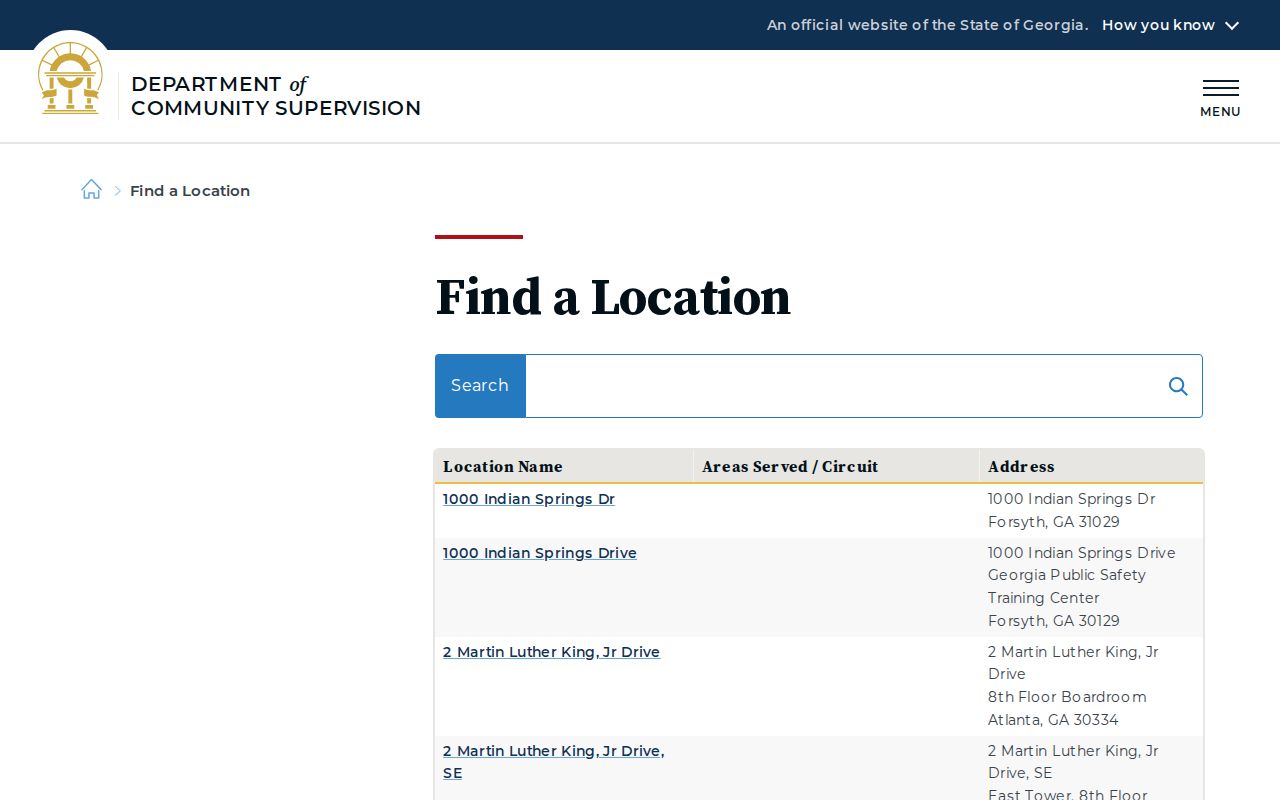
Madison County is served in the Northern Circuit area through the Elberton DCS office. DCS does not provide a general public probation-person search, so sentencing dockets and authorized agency contact remain the sound routes.
Parole decisions come from a separate authority. The Georgia State Board of Pardons and Paroles publishes information about parole decisions and clemency.
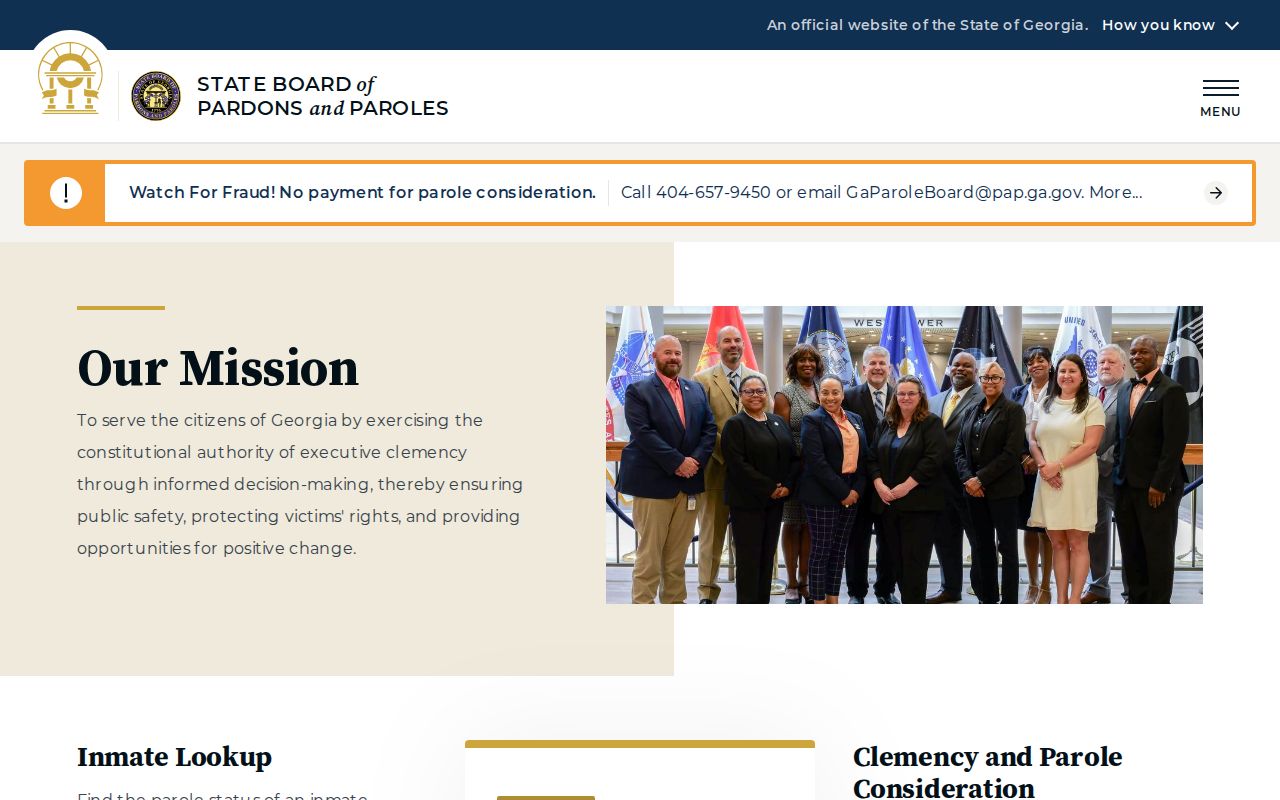
The board decides parole and DCS supervises people after release. A pardon does not erase a conviction, and public supervision details are narrower than the internal case file.
Inside a Madison County Criminal Record
Read each source by field. A docket header may show the case number, filing date, court, case type, and status. Party fields identify the State, defendant, and counsel. Each count needs separate review because charges in one case may end differently. The event log can include indictment or accusation, arraignment, motions, notices, plea, trial, judgment, sentence, probation, and revocation entries. A visible index does not promise that every document is free online.
| Name & Identifiers | Legal name, aliases, date of birth, sex, race, and other identity fields; protected values may be redacted. |
|---|---|
| Arrest / Booking Data | Agency, arrest and booking dates, initial allegations, holds, bond, and release information. |
| Charges & Statutes | Each alleged or filed offense and its Georgia Code citation; booking and filed charges may differ. |
| Disposition | The result for each count, such as conviction, dismissal, acquittal, or nolle prosequi. |
| Sentence | Custody, probation, fines, surcharges, restitution, and other ordered terms. |
| Custody / Supervision | Jail or prison status and public probation or parole fields available from the proper agency. |
- Disposition
- The final result of a charge.
- Nolle prosequi
- The prosecutor chose not to continue that charge at that time.
- Docket
- The dated index of filings, hearings, and orders.
- First Offender
- Georgia treatment that may avoid an adjudication of guilt after successful completion.
Madison County Federal Records
A Madison County event can also produce a federal case or custody record. Federal district matters fall within the Northern District of Georgia. PACER is the official electronic court-record service, requires an account, and charges under its current fee rules. The nearest listed federal courthouse is in Gainesville. PACER should be used for the federal docket, not as a substitute for the Madison County clerk.
The PACER service explains account access and federal court record fees.
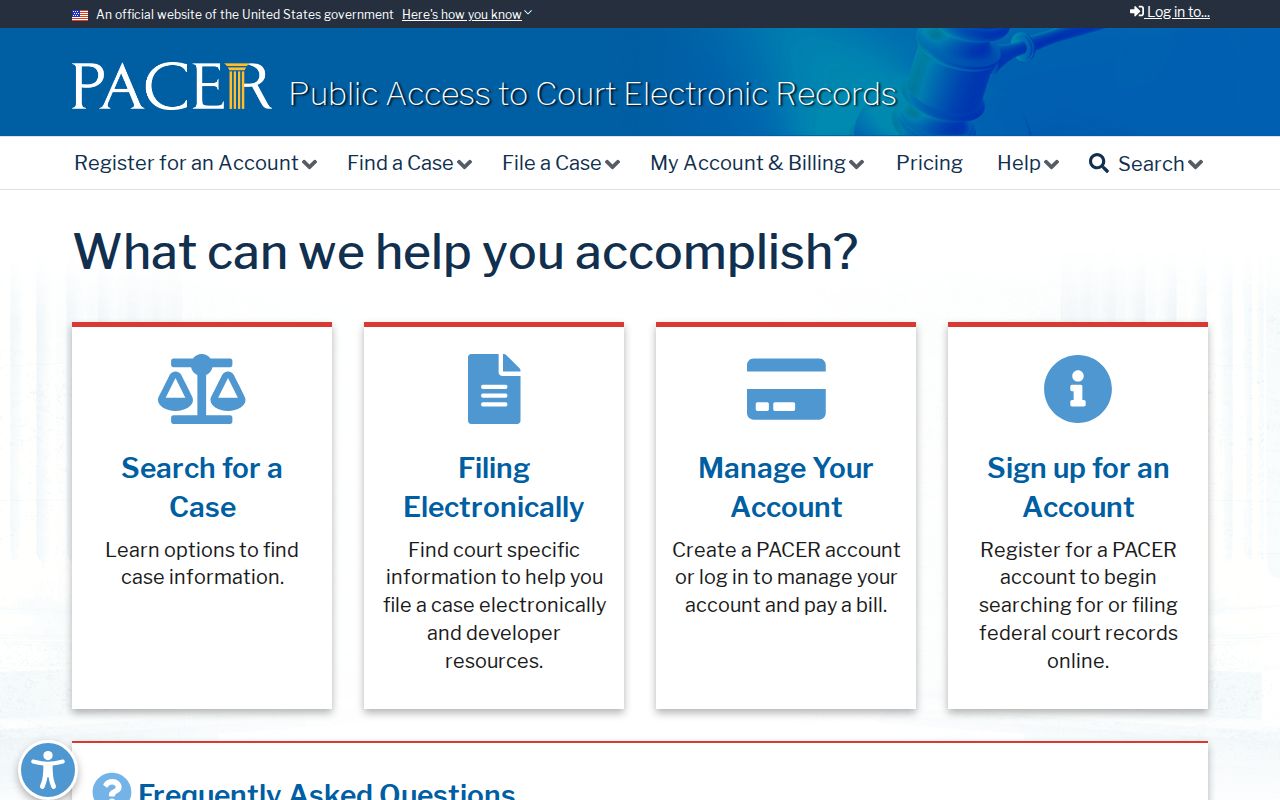
A federal docket may show filings and outcomes that never appear in the county portal. CourtListener and RECAP can hold free copies of some documents, but neither is the official complete federal docket.
Federal custody also has its own locator. The Federal Bureau of Prisons Inmate Locator searches people held in BOP custody from 1982 forward by number or by name and identifying details.
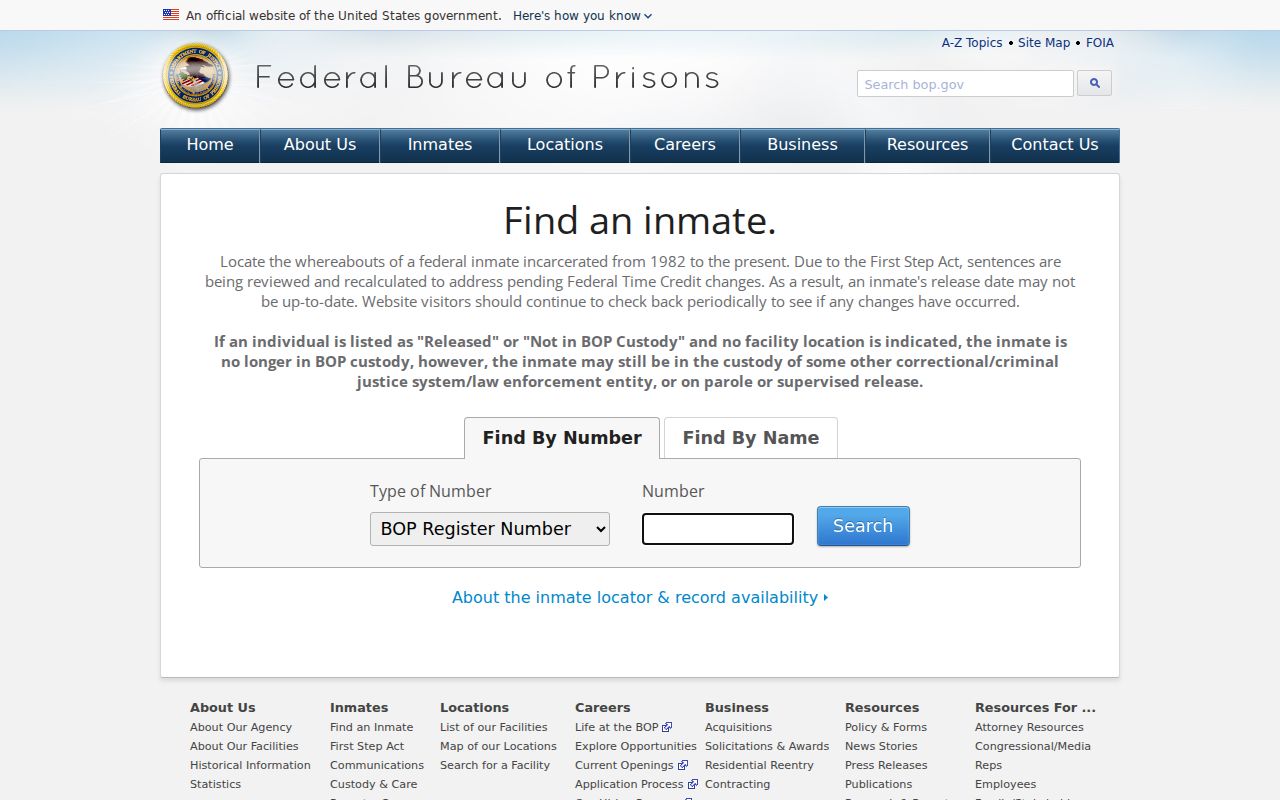
A released or not-in-custody result does not rule out supervision, local custody, or a court case. It only describes what the BOP locator covers.
Public Access Laws in Georgia
The Georgia Open Records Act presumes access to agency records unless an exemption applies. A custodian generally must produce available records within three business days or explain when they will be ready. For a large request, that is a response rule, not a promise that all records will be produced in three days. Ask for existing records in a narrow date range, a native electronic format, segregable nonexempt portions, and a cost estimate before work exceeds the stated ceiling.
Key statutes and rules:
O.C.G.A. §§ 50-18-70 through 50-18-77 establish the Georgia Open Records Act and its response, fee, and exemption framework.
O.C.G.A. § 35-3-34(d.2) allows public access to Georgia felony-conviction information using specified identity data.
O.C.G.A. § 35-3-35 governs GCIC dissemination to authorized public and licensing bodies.
O.C.G.A. § 35-3-37 governs correction, record restriction, and related court sealing.
O.C.G.A. § 42-1-12 assigns sex-offender registration duties to the registrant, sheriff, and GBI.
Madison County Open Records Fallback
When a portal fails or no online tool exists, identify the custodian. Ask the arresting agency for its incident report, the sheriff or jail for booking material, and the court clerk for filed pleadings and dispositions. Madison County's Open Records Officer, Christina Baxter, handles county administrative records through the county government at Suite 306, 91 Albany Avenue, cbaxter@madisonco.us, and 706-795-6302. That channel should not replace the court clerk or sheriff when another office owns the record.
A useful request includes the agency, record type, event date and place, incident or case number if known, delivery format, and a fee ceiling. Georgia law generally requires an estimate notice above $25 unless the requester already approved a higher amount. The agency may redact protected victim data, juvenile material, Social Security numbers, medical details, or active investigative content. Ask it to release the parts that can be separated and cite the exact legal ground for anything withheld.
The same request should not ask an office to create a new report or answer broad questions. The Act reaches existing records. A narrow request for the booking sheet, incident report, or named docket entry is easier to route and price. For 911 audio or dispatch material, begin with the Madison County 911 Center at 706-795-6400. For a prosecution file, contact the Northern Judicial Circuit District Attorney. These routes keep the request with the office that made or maintains the record.
Sealed, Expunged, and Restricted Records
Georgia uses the term record restriction. It limits eligible GCIC information from ordinary public dissemination but does not destroy the arrest cycle. Court sealing is a related court-side process that may limit access to eligible clerk, prosecutor, or law-enforcement records. First Offender discharge and a pardon are distinct remedies. None should be treated as automatic deletion.
Start with the case outcome, arrest date, and arresting agency. For an arrest before July 1, 2013, the GBI form generally moves from the arresting agency to the prosecutor. For a later arrest, contact the prosecutor about the electronic approval path. An eligible sealing request may also require action in the court of record. A denial can be appealed to Superior Court within 30 days under the researched process. Recheck both GCIC and the clerk after completion because a missing web result alone does not prove restriction.
A useful Madison County packet starts with a certified disposition from the Superior Court clerk and the identifiers for the arrest cycle. GCIC may need source-agency authorization or certified proof before it changes a missing or wrong disposition. Keep copies of each submission and order a fresh personal history after processing. Juvenile, victim, health, financial-account, and active-investigation material may be withheld or redacted under rules separate from record restriction.
Wrong Madison County Record Search
Madison County is not the City of Madison. The city lies in Morgan County. This naming trap can send a request to the wrong sheriff, jail, or clerk and can make a sound search seem empty. Confirm Danielsville and Madison County on every county court or jail contact before sending a form or paying for a copy. For municipal citations, also identify the city that issued the citation because the six incorporated municipalities create more record routes.
The same care applies to custody addresses. The 2026 Georgia Sheriffs' Association directory lists a sheriff office on Georgia Highway 251, while the official GDC facility listing shows Madison County Jail at 1436 Highway 98 West. Call 706-795-6211 before travel or mail. No official web jail roster or public sheriff warrant list was verified. Know NOW! is an alert service, not evidence of a hidden booking or warrant search.
Madison County Criminal Records by City
City records can fill gaps that a county-only search leaves open. Comer has a police department and municipal ticket route. Danielsville offers a local criminal-history request and keeps municipal matters through city channels. No Colbert police department was identified in official city or FBI directories, so its practical path begins with City Hall for ordinance records and the Madison County sheriff for state-law reports or custody. Census materials rank Comer, Danielsville, and Colbert as the county's three largest incorporated places.
Comer Criminal Records
Population estimate 1,626 · Police and municipal citation records begin with Comer City Hall and Comer Police.
Danielsville Criminal Records
Population estimate 868 · City Hall offers a documented local check and municipal record route.
Colbert Criminal Records
Population estimate 676 · Start with the city clerk or county sheriff because no city police department was verified.